‘We only take RM9,000 as agents’

PETALING JAYA: Only RM9,000 from about RM20,000 paid by Bangladeshi workers went to 10 authorised recruitment agents operated by a syndicate. A Bangladeshi businessman who claimed that he was the spokesman for the 10 companies based in Dhaka said the rest of the money was distributed to middlemen, including those in villages. He told The […]

‘We only take RM9,000 as agents’ Read More »

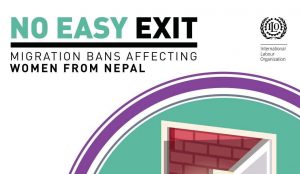
Foreign Workers: Nepal slams the door, unhappy with company monopoly

PETALING JAYA: The government of Nepal has barred its workers from coming to Malaysia with immediate effect. The move comes as the Nepalese government expressed its unhappiness with “restrictive” immigration requirements its workers faced before they can be gainfully employed in this country. This includes having to go through a private company for security and

Foreign Workers: Nepal slams the door, unhappy with company monopoly Read More »

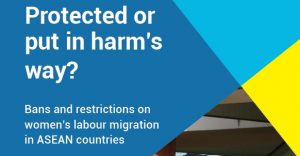
Protected or put in harm’s way?

Restrictions on women’s labour migration ranging from outright migration bans to prerequisites relating to age and marital status – are one way in which states attempt to address the risk of exploitation and abuse faced by women migrant workers. Though intended to protect women from harm, gender-based migration restrictions violate numerous international legal standards addressing

Protected or put in harm’s way? Read More »

Working Paper on Operational Parameters to Assess Fair Recruitment Practices

In South Asia, the pathways to jobs in domestic, garment or other similar sectors within the region or to the Middle East are intersected by various agents or contractors in an environment shaped by multiple rules and practices determining the mobility of aspiring workers especially women. The fluidity and segmentation of labour supply chains and

Working Paper on Operational Parameters to Assess Fair Recruitment Practices Read More »

FAIR SHARE? International recruitment in the Philippines

This working paper identifies the good practices applied by those private employment agencies that adopt fair recruitment principles for prospective migrant workers. It also describes the challenges that such recruiters face, including the bottlenecks and gaps in the legislative and regulatory frameworks that stand in the way of agencies committed to fair principles. The paper

FAIR SHARE? International recruitment in the Philippines Read More »

Scroll to Top